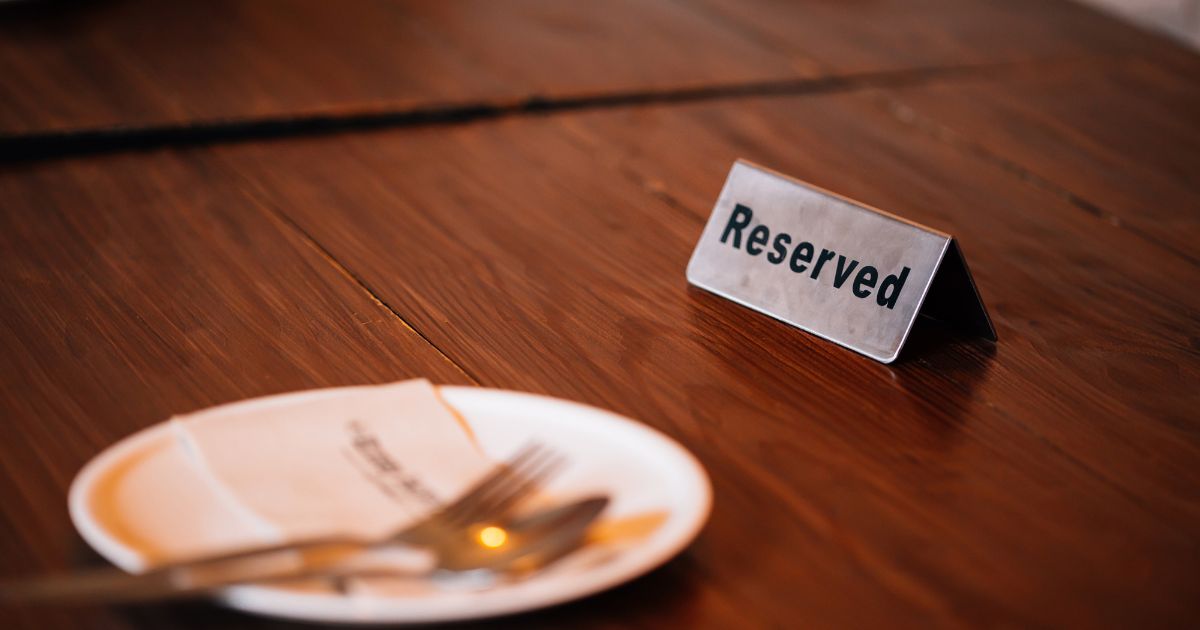
If you run a restaurant, you've probably had this debate at some point. Do you need an online reservation system? Or is a phone number enough?
The honest answer is: it depends on your restaurant. But the more important answer is that most restaurants are making it harder than it needs to be for customers to book — regardless of which method they use.
The case for keeping it simple
A phone number works. It's personal, it's immediate, and for a lot of neighbourhood restaurants it's exactly right. Customers call, you answer, done. No monthly software fee, no third-party platform taking a cut, no system to manage.
If you run a small spot with a tight reservation window — say, a 20-seat restaurant where you turn tables twice a night — a phone number might genuinely be all you need. The volume is manageable and the personal touch fits the experience you're selling.
The problem isn't the phone number. The problem is when the phone number is the only option and it's buried in the footer, missing from the homepage entirely, or worse — not clickable on mobile. If a customer has to search for how to reach you, a lot of them won't bother.
The case for an online reservation system
Here's the thing about online reservations: people book tables at 11pm on a Tuesday when no one is answering the phone.
That's not a made-up scenario. A significant portion of restaurant reservations happen outside business hours — when someone's lying in bed planning their weekend, or when they decide on Wednesday that they want to go out on Saturday. If your only option is a phone number and nobody's there to answer it, that booking doesn't happen.
An online reservation system captures that intent in the moment. The customer books, gets a confirmation, and shows up. You get a reservation without having to answer the phone during a busy service.
For restaurants doing consistent volume — anything where you regularly turn people away or where weekends fill up — a reservation system pays for itself quickly just in reduced no-shows alone, because automated reminders go out without anyone having to remember to send them.
The question isn't really "phone or system." It's "are we capturing every customer who wants to book, at any hour they decide to do it?"
What the website actually needs — regardless of your choice
This is where most restaurants drop the ball, and it matters more than which booking method you pick.
Whether you use a phone number, an online system, or both — the booking option needs to be impossible to miss. Not in the footer. Not on a separate contact page. Front and centre, above the fold, on every device.
On mobile especially. The majority of people searching for a restaurant to visit tonight are doing it on their phone. If your reservation button is hard to tap, your phone number isn't clickable, or your site takes five seconds to load — they're booking somewhere else.
A few other things your restaurant website needs to do the job properly:
Your hours need to be on the homepage. Not just on the contact page. People check hours constantly and if they can't find them in five seconds they'll go to Google — and if your Google Business Profile hours are wrong, they might not show up at all.
Your menu needs to be readable on a phone without pinching or zooming. A PDF menu is convenient for you and frustrating for everyone else. If you can't convert it to a proper web page right now, at least make sure the PDF opens properly on mobile and isn't 8MB.
Real photos of your actual food and space matter more than you think. People choose restaurants with their eyes before they choose with anything else. Stock photos of generic dishes do more harm than good.
Note
One thing that often gets overlooked: your address needs to link directly to Google Maps. One tap, directions open. If a customer has to copy and paste your address into their maps app, that's one unnecessary step between them and your front door.
So what's the actual answer?
For most restaurants, the ideal setup is both — a clearly visible phone number and an online reservation option — with a strong preference for online after hours.
If you're just starting out or running a very small operation, start with a phone number that's impossible to miss on your homepage. Make it clickable. Add your hours. Add real photos. Get a Google Business Profile set up and keep it current.
When you're ready to grow — or when you're regularly turning away bookings because you missed the call — that's when a reservation system starts making obvious sense. OpenTable, Resy, and Yelp Reservations all have free tiers worth exploring before you commit to anything paid.
The technology is the easy part. The part that most restaurants get wrong is making it frictionless — making it so obvious and so simple that a customer can book a table in under 30 seconds from any device at any hour. That's what your website is for.