Somewhere along the way, a lot of small online stores get the priorities backwards. Owners spend real time and money getting a customer to the product page — ads, SEO, social posts, word of mouth — and then hand that customer a page with one photo, a price, and an "Add to Cart" button, and hope for the best.
That's the moment the sale is actually won or lost. Not the homepage. Not the ad that brought them there. The product page.
The five-second test
Open one of your own product pages and give yourself five seconds to answer three questions: what exactly am I buying, what will it look like or feel like in real life, and what happens if I don't like it. If you can't answer all three in five seconds, most of your customers can't either — and they won't spend longer figuring it out. They'll leave.
What's actually missing
Real specifications, not marketing copy. "Premium quality craftsmanship" tells a customer nothing. Dimensions, materials, weight, what's included, and what's not — that's what actually answers the question a customer is holding in their head before they buy.
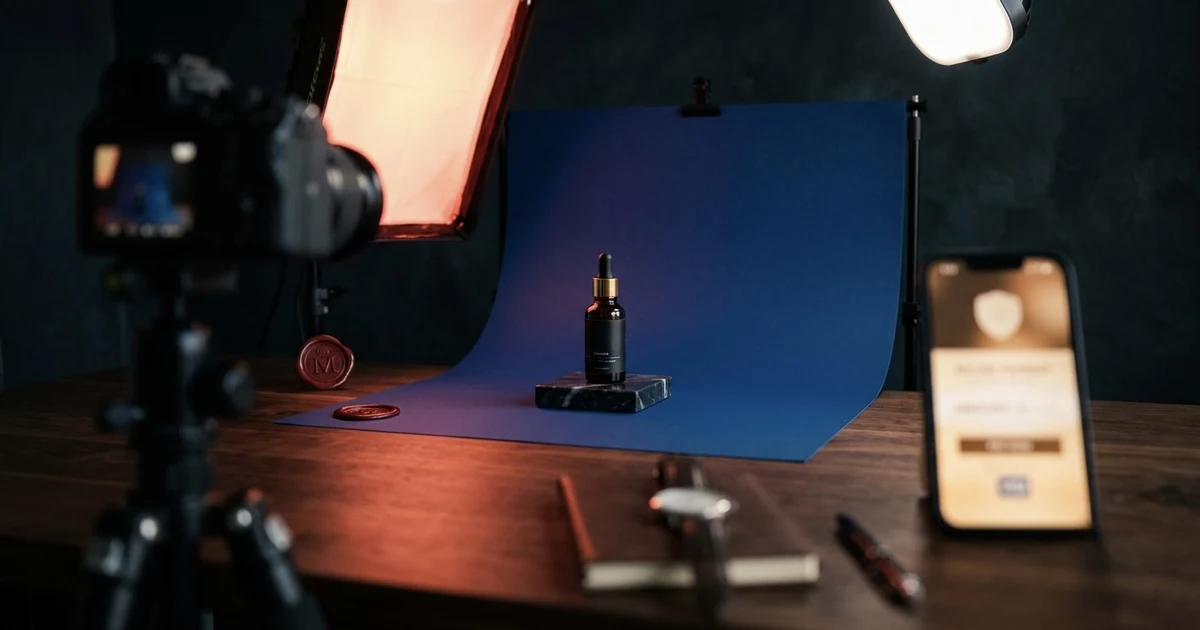
Photos with context, not just a white background. A single studio shot answers "what does it look like alone." It doesn't answer "what does it look like in use, next to something I recognize for scale, or from an angle I'd actually see it from." Two or three additional photos — in context, at scale, showing texture or detail up close — do more to prevent a return than any amount of product description.
An honest description of what it isn't. Counterintuitively, naming a limitation builds more trust than pretending one doesn't exist. "Runs slightly small — most customers size up" prevents a bad-fit return and reads as honest rather than as a flaw.
A product page's job isn't to sell. It's to remove every reasonable doubt standing between a customer and the checkout button.
Shipping cost is the silent deal-breaker
Baymard Institute's ongoing research into checkout behavior consistently finds that unexpected extra costs — shipping and taxes appearing late in the process — are the single most commonly cited reason shoppers abandon a cart. Not price. Not indecision. Surprise.
The fix costs nothing to build: show an estimated shipping cost, or at minimum a clear shipping policy, on the product page itself — not three screens into checkout. A customer who knows the real total early is a customer who's already decided to buy by the time they reach payment.
Note
Quick audit: open your top three product pages on your phone. If you have to scroll past the fold to find price, shipping information, or the buy button, that's friction costing you sales you'll never know you lost.
Trust signals near the button, not buried in the footer
Reviews, a secure-checkout indicator, a clear return policy — these work best placed near the decision point, not linked from the footer where a customer has to go looking for reassurance right when they're most hesitant. If you have even a handful of real reviews, put them where the customer is deciding, not where they have to dig for them.
Common questions
How many photos does a product actually need? There's no fixed number, but one photo is almost never enough. A mix of a clean primary shot, one or two in-context or scale shots, and a close-up of texture or detail covers most of the questions a photo can answer instead of a return.
Do I need professional photography? It helps, but consistent lighting and a clean background with a phone camera beats inconsistent professional shots mixed with phone snapshots. Consistency across your catalog matters more than any single photo being perfect.
Should shipping cost be shown on the product page or at checkout? As early as possible. Baymard Institute's research consistently finds unexpected costs at checkout are the single biggest reason shoppers abandon a cart — showing a shipping estimate on the product page removes that surprise before it happens.
None of this requires a redesign. Most of it is an afternoon of edits to your existing pages — and it's usually the highest-return afternoon a small store owner can spend.